
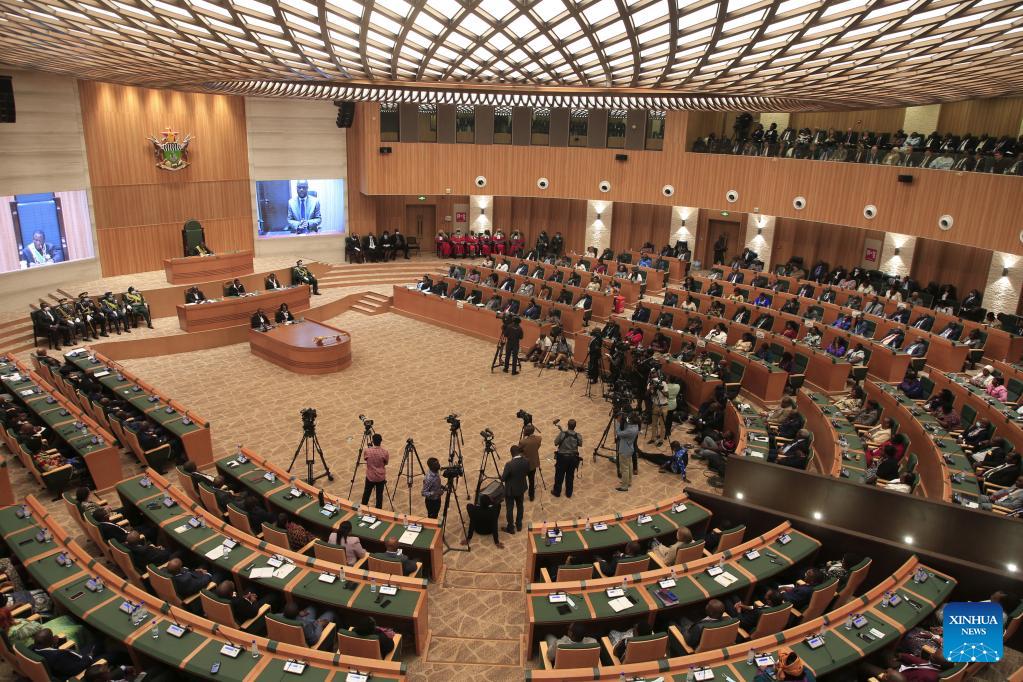
Following the Cabinet’s approval of the draft Constitution of Zimbabwe Amendment (No. 3) Bill earlier this February, a whirlwind of legislative activity and public debate has swept across the nation and social media platforms. The formal gazetting of the Bill on February 16, 2026, officially triggered a 90-day window for public scrutiny, yet the weeks since have been marked by a intense “online back-and-forth” that has left many ordinary Zimbabweans caught in a web of legal jargon and conflicting narratives. This noise has created significant confusion on the ground, making it difficult for citizens to distinguish between procedural facts and political commentary. This article seeks to cut through that digital fog, offering a simplified and objective breakdown of what the Bill actually contains, how the legal process will unfold, and what these structural changes truly mean for the daily lives of ordinary Zimbabweans.
Understanding Constitutional Amendment Bill No. 3
The Zimbabwe Constitutional Amendment Bill No. 3 of 2026 represents a significant step in the ongoing evolution of the country’s governance framework. At its heart, the Bill seeks to refine how the nation selects its leadership and manages its administrative timelines to ensure maximum stability and policy consistency. One of the most talked-about features of the Bill is the shift in the presidential election format. Instead of a direct popular vote, the proposal suggests a parliamentary system where the President is elected by members of the Senate and the National Assembly.
This model is not a new invention; it is a system used effectively in many stable democracies around the world, including the United Kingdom and South Africa. In these systems, the leader of the nation is chosen by the representatives who have been directly elected by the people in their constituencies. Proponents of this change argue that it streamlines the transition of power and ensures that the executive and legislative branches are closely aligned, reducing the friction that can sometimes stall development projects.
Key Focus Areas of the Amendment
Beyond the election of the President, the Bill introduces several other administrative adjustments designed to enhance institutional efficiency. One major point of focus is the extension of terms for both the President and Parliament from five to seven years. This change is aimed at giving the government more time to implement long-term developmental projects without the frequent interruptions of election cycles, which can often be resource-heavy and polarizing.
The Bill also proposes increasing the number of representatives in the Senate to increase from a total of 80 to 90 individuals. This is intended to allow the President to bring in more technocrats—experts in fields like economics, law, and science—who may not be career politicians but possess the skills needed to drive the country’s modernizing agenda. Additionally, the Bill seeks to move the responsibility of managing the national voter’s roll from the Zimbabwe Electoral Commission (ZEC) to the Registrar-General’s office, a move intended to centralize civil registration and simplify the administrative burden on the electoral body.
The Path Through Parliament and Public Voice
For any constitutional change to take place, the law requires a very specific and transparent process. Currently, the ruling party, ZANU PF, holds a two-thirds majority in Parliament, which gives it the legislative weight to pass amendments. However, the process is not merely a matter of voting in the chambers. According to Section 328 of the Constitution, once a Bill is gazetted, a 90-day period must pass before it is debated. During this time, the Parliament is legally obligated to conduct public consultations.
These consultations are the bridge between the government and the ordinary Zimbabwean. Members of Parliament travel across all ten provinces to hold public hearings where citizens can voice their support, concerns, or suggestions. People can also send written submissions to the Clerk of Parliament. This ensures in a case where a referendum is not conducted, the views of the public are recorded and considered by the Portfolio Committee on Justice, Legal, and Parliamentary Affairs before the Bill returns to the floor for a final vote.
READ MORE: Parliament of Zimbabwe Invites Citizens to Comment on the Constitutional Amendment Bill No. 3
Referendums vs. Parliamentary Amendments
A common question is why some changes go to a referendum while others are handled by Parliament. A referendum is a nationwide vote where every citizen says “Yes” or “No” to a proposal, such as the one held in 2013 to adopt the current Constitution. However, the Constitution itself provides a clear pathway for amendments through a two-thirds majority in Parliament for most sections. Because ZANU PF holds this majority, they are following the legal parliamentary route provided for by the 2013 Constitution to implement these changes efficiently.
This approach is rooted in the idea of representative democracy. When people vote for their Members of Parliament, they are entrusting them with the power to make legislative decisions on their behalf. By using the parliamentary process, the government can avoid the massive costs and logistical challenges of organizing a national referendum, allowing those funds to be redirected toward essential services like healthcare and infrastructure.


 Zimbabwe Rising
Leave a comment