
Zimbabwe Rejects US$350m Deal
Zimbabwe has boldly chosen not to enter into a proposed health aid Memorandum of Understanding (MoU) with the United States, prioritizing the protection of national sovereignty as its core principle. Government officials have expressed an openness to international cooperation in the health sector, insisting that any bilateral framework must align closely with domestic policy priorities and constitutional values.
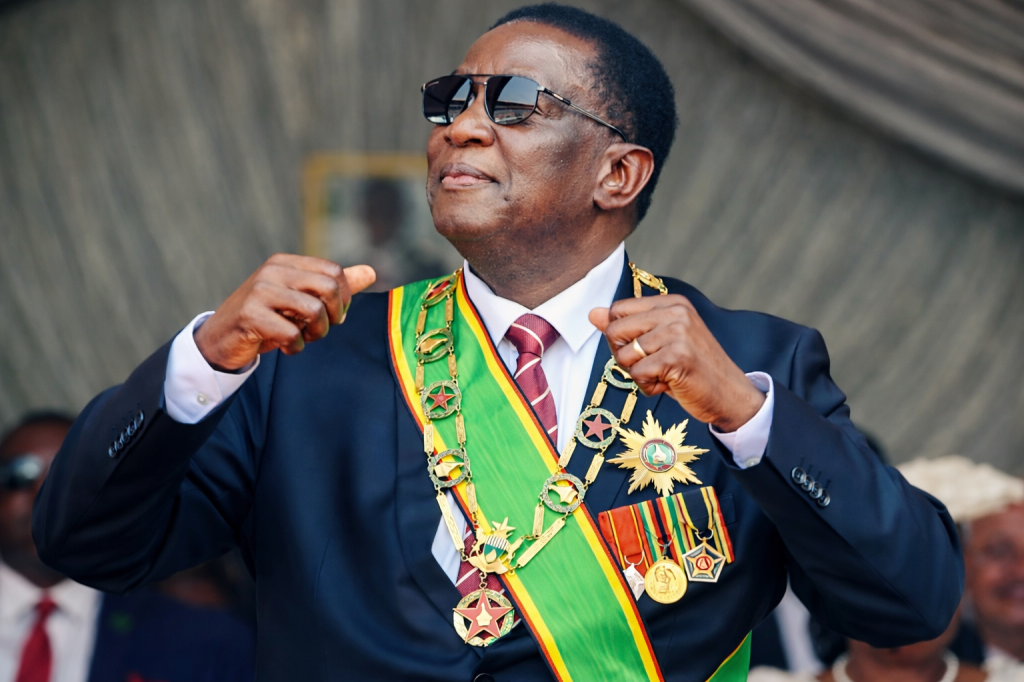
While the agreement would have provided Zimbabwe with US$350 million in aid, it also sought access to the nation’s health records and mineral wealth. Under President Emmerson Mnangagwa’s guidance, Zimbabwe courageously turned down the offer.
The Zimbabwean government emphasized that sovereignty is more than a mere concept; it represents vital autonomy in policy-making, fiscal independence, and the direction of national development. The officials argued that entering agreements that compromise decision-making authority could lead to structural dependencies at odds with Zimbabwe’s long-term strategic vision.
Framing their position as a critique of neo-colonial economic practices, Zimbabwean officials underscored the importance of avoiding aid frameworks that impose conditionalities influencing governance, procurement, or macroeconomic policies. They insisted on collaboration based on mutual respect, transparency, and non-interference. By rejecting the MoU in its current form, the government affirmed its commitment to development partnerships that ensure national ownership of public health initiatives and resource management.
Moreover, officials reiterated their engagement with multilateral and regional health initiatives that respect Zimbabwe’s sovereignty and developmental goals. This decision reflects a steadfast dedication to self-determination and a commitment to shielding strategic sectors from external influences that could disrupt domestic policy coherence.
Ultimately, Zimbabwe’s stance exemplifies a strong and assertive approach to international engagement—prioritizing sovereign control and the protection of national resources over externally imposed aid structures.


 Zimbabwe Rising
Leave a comment