
The abuse of social media by individuals connected to Zimbabwe, both domestically and internationally, has escalated to alarming levels. Users are disseminating false information for motives that remain unclear, but which ultimately damage the character and reputation of others, particularly public figures.
Given the current political climate in the country, it is imperative for netizens to cease the publication of falsehoods that serve only their personal interests, or those of their political affiliations.
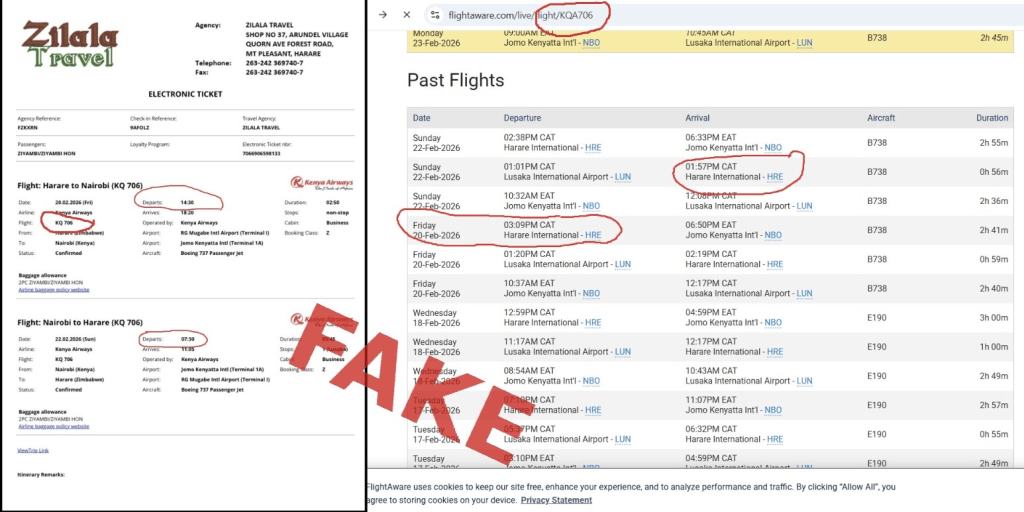
A recent incident involving an online activist based outside Zimbabwe exemplifies this issue. The activist shared a post claiming to show a ticket belonging to Zimbabwe’s Minister of Justice, Legal and Parliamentary Affairs, Ziyambi Ziyambi, alleging that the minister was scheduled to travel for political consultancy. However, a flight tracker analysis revealed that the ticket was fraudulent, and the activist failed to substantiate her claims. This raises serious concerns about the motives behind such misinformation. It is crucial that we hold ourselves accountable and prioritize truthfulness in our online discourse.
The proliferation of ghost accounts across social media platforms has significantly hindered efforts to track down purveyors of false information, although some individuals are already known. With the alarming rise of misinformation in the country, it is imperative for governments to implement robust mechanisms to identify and address even those operating from foreign territories. Additionally, it is crucial for netizens to exercise responsibility and avoid engaging in these detrimental practices.
The Cyber and Data Protection Act (Chapter 11:22) has amended the Criminal Law to establish specific cyber-related offenses. Notably, Section 164C criminalizes the transmission of false data messages with the knowledge that the information is false and with the intent to cause psychological or economic harm through computers or information systems. The penalties for this offense are significant, including up to five years’ imprisonment, hefty fines (level 10), or both. This law serves as the primary tool for prosecuting what the state identifies as the dissemination of false information online and via electronic communications.
Several individuals have already faced arrest and charges under these laws. Fadzayi Mahere, an Opposition Politician, was convicted in April 2023 under Section 31 of the previous Criminal Law (Codification and Reform) Act for “publishing or communicating false statements prejudicial to the state,” leading to a fine of US$500 without imprisonment. Journalists Wisdom Mdzungairi and Desmond Chingarande were arrested and charged in August 2022 under Section 164C of the Cyber and Data Protection Act for allegedly transmitting false data messages in their reporting. It is evident that authorities are keen to take decisive action against those who undermine the integrity of information.


 Zimbabwe Rising
Leave a comment