
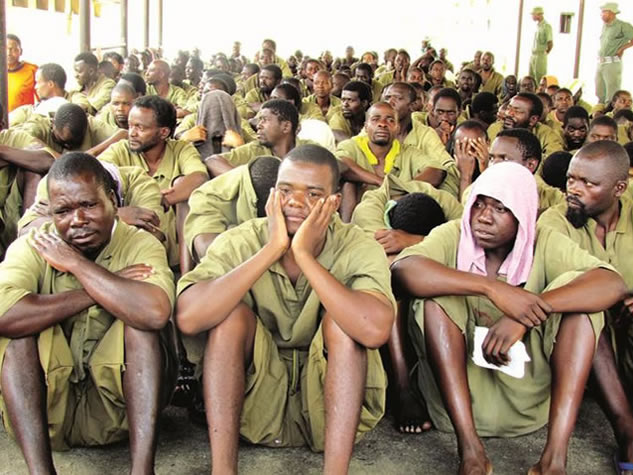
The Government of Zimbabwe has announced that President Emmerson Mnangagwa has granted a General Amnesty under the 2026 clemency order, a powerful act of mercy and hope.
In an official announcement, Government Spokesperson Nick Mangwana confirmed the President’s commitment to compassion and justice.
This amnesty will open new doors for many, including all convicted female prisoners, juveniles, inmates serving sentences of 48 months and below, those certified as terminally ill, individuals currently held in Open Prisons, all prisoners aged 60 and above, and prisoners with disabilities. Notably, life sentence prisoners who have served at least 20 years will also benefit from this opportunity for renewal.
Furthermore, the amnesty includes a one-quarter remission of the effective term of imprisonment for those sentenced to more than 48 months, fostering a spirit of second chances and rebuilding lives. Below are some of the positive implications of President Emmerson Mnangagwa’s amnesty.
Social and Humanitarian Benefits
- Family reunification: Many pardoned inmates, including women, juveniles, and those with chronic illnesses, can return to their families, strengthening social bonds and reducing the emotional strain of separation.
- Health relief: Releasing prisoners with chronic ailments reduces the burden on prison healthcare systems and allows individuals to seek better treatment outside.
- Human rights progress: Commuting death sentences for those on death row for over 10 years is seen as a progressive step toward aligning Zimbabwe with global human rights standards.
Governance and Justice System Improvements
- Prison decongestion: Zimbabwe’s prisons are overcrowded, and the amnesty helps ease congestion, improving living conditions for remaining inmates and reducing strain on correctional facilities.
- Cost savings: Fewer prisoners mean reduced government expenditure on food, healthcare, and security, freeing resources for other public needs.
- Restorative justice emphasis: By prioritizing rehabilitation over punishment for non-violent offenders, the amnesty reflects a shift toward restorative justice principles.
Political and International Implications
- Positive international image: The move signals Zimbabwe’s willingness to adopt humane policies, potentially improving its reputation with international organizations and human rights advocates.
- Social stability: By showing compassion, the government may foster goodwill among citizens, reducing resentment and promoting reconciliation.
The amnesty is not without challenges—such as reintegration difficulties and public concerns about safety—but overall, it represents a humanitarian gesture with tangible social and systemic benefits.


 Zimbabwe Rising
Leave a comment