
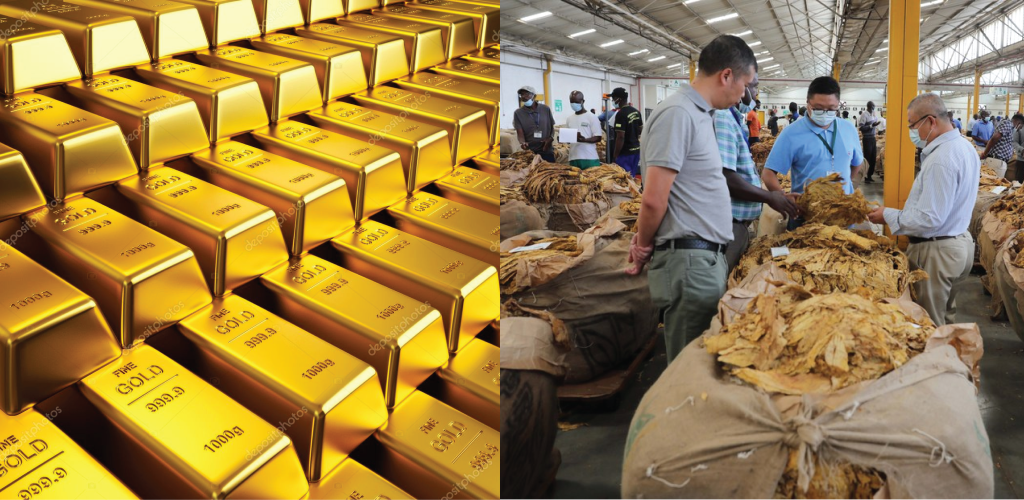
Zimbabwe’s economy is boldly charting a remarkable recovery, rising from years of chronic instability toward a vibrant, export-driven growth trajectory. Key macroeconomic indicators—particularly inflation, trade performance, and foreign exchange earnings from tobacco and gold—showcase the significant progress being made in the nation’s economic transformation.
The most inspiring macroeconomic milestone in early 2026 is the impressive drop in inflation. Recent data reveal that Zimbabwe’s annual inflation rate has fallen to a single digit for the first time since the late 1990s, with January figures capturing a striking 4.1%. This achievement is a testament to the effectiveness of tighter monetary policy and the introduction of the gold-linked ZiG, along with other transformative reforms. Lower inflation strengthens purchasing power, restores confidence, and creates a predictable environment for investment and commerce.
A remarkable trade-balance rebound has further underpinned this broader stability. In 2025, Zimbabwe’s export performance soared, culminating in a record goods trade surplus of USD 240.2 million in December—the highest monthly surplus on record. This surplus was driven by a 9.1% rise in exports to USD 1.142 billion, coupled with a 5.6% contraction in imports to USD 901.5 million. These figures reflect not only stronger external earnings but also the nation’s commitment to effective import management, setting the stage for a brighter economic future.
This trade improvement marks a remarkable strategic shift toward export-led growth. Zimbabwe’s export mix showcases the nation’s strength, with high-value primary commodities taking center stage, particularly semi-manufactured gold, which comprised nearly half (47.3%) of December’s export value. In a groundbreaking achievement, gold exports for the full year of 2025 reached an astonishing USD 4.61 billion, highlighting gold’s pivotal role in bolstering foreign exchange earnings and solidifying external stability. Alongside gold, tobacco and nickel mattes have made noteworthy contributions, with tobacco alone accounting for nearly 18% of December exports.
Agriculture has also thrived, with Zimbabwe’s tobacco sector achieving a historic record of over 350 million kg, generating more than USD 1 billion in export revenue and engaging over 108,000 farmers — a true testament to the sector’s profound rural impact and immense export potential.
These export gains herald transformative implications. Increased foreign exchange earnings empower the country’s balance of payments, promote currency stability, and create a protective buffer against external shocks. Moreover, this expanding export income enhances fiscal space and opens doors for strategic public investments.
However, Zimbabwe’s journey towards economic recovery faces challenges. The export base remains concentrated in a few commodities, and reliance on imports for fuel, machinery, and essential goods underscores lingering vulnerabilities in domestic production capacity. Structural dependencies on key trading partners and global commodity prices emphasise the necessity for ongoing fiscal and monetary discipline, alongside diversification efforts. This means Zimbabwe must diversify its export commodity base, enhance value addition, and boost domestic production, a target the President Emmerson Mnangagwa administration is working so hard to achieve.
Yet, the overarching narrative of Zimbabwe’s recent economic trajectory paints a picture of resilience, moving from volatility toward stability, grounded by controlled inflation, a growing trade surplus, and record earnings from gold and tobacco. As these positive trends strengthen in 2026 and beyond, Zimbabwe stands on the brink of a new era of sustainable and inclusive economic growth, filled with promise and potential, as the Southern African nation moves to attain Vision 2030, which aims to achieve middle-income status by 2030.


 Zimbabwe Rising
Leave a comment