
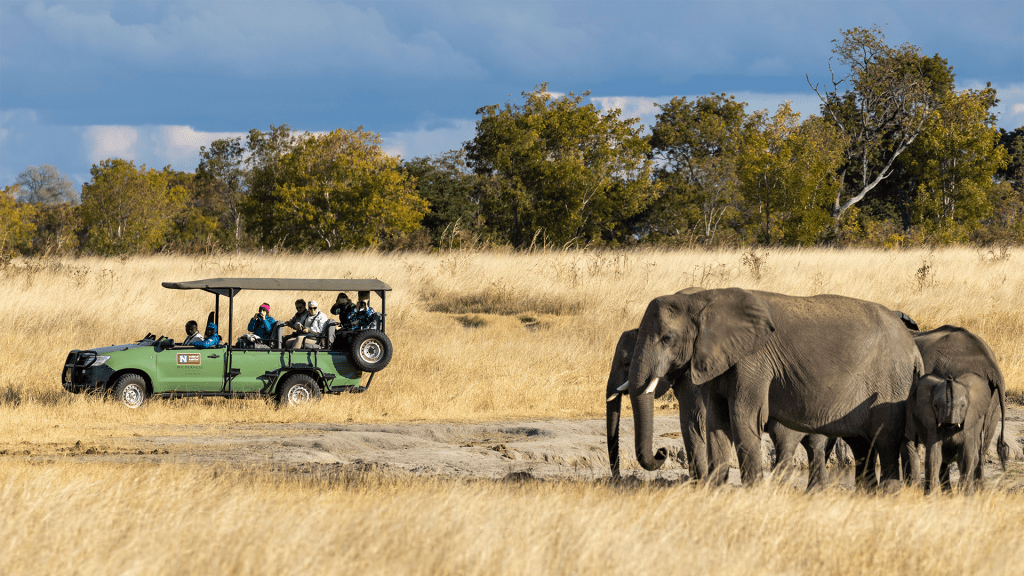
As 2026 takes shape, tourism stands as a vital pillar of Zimbabwe’s National Development Strategy 2 (NDS2). It has solidified its place not only as a cultural treasure but as a key economic engine in Zimbabwe’s drive for sustainable growth and to achieve upper-middle-income status by 2030.
The newly launched NDS2 (2026–2030) prioritises the tourism sector through strategic initiatives focused on strengthening Brand Zimbabwe, attracting Foreign Direct Investment (FDI), and promoting sustainable tourism practices. This strategy firmly positions tourism among the ten national priorities, calling for the enhancement of Brand Zimbabwe, the strengthening of international relations, the attraction of FDI, and the active promotion of tourism in conjunction with diplomatic and trade development. Such priorities underscore the government’s conviction that tourism is essential for economic transformation, job creation, and revenue generation over the next five years.
Moreover, sustainable development frameworks, including the United Nations Sustainable Development Goals (SDGs) and regional agendas like the SADC Strategic Plan and the African Union’s Agenda 2063, clearly align with tourism’s critical role in fostering inclusive and environmentally conscientious economic growth.
After the severe global downturn caused by the COVID-19 pandemic, Zimbabwe’s tourism industry has staged a remarkable recovery:
International arrivals have rebounded significantly, with over 1.6 million tourists recorded in recent years — a dramatic reversal from around 375,000 during the peak of travel restrictions.
Tourism receipts are also growing, with revenues climbing from approximately US$839 million in 2024 to nearly US$992 million in 2025.
Domestic tourism has seen robust growth, with trips rising by about 20.9% from 2024 to 2025, reflecting strong local engagement with Zimbabwe’s tourism attractions.
Recognition by global platforms such as Forbes, naming Zimbabwe the Best Country to Visit in 2025, has amplified the country’s visibility and desirability as a destination.
International arrival forecasts also project continued growth in 2026, with arrivals expected to approach 1.87 million visitors, buoyed by enhanced marketing and strategic promotion of key destinations like Victoria Falls and Hwange National Park.
Tourism growth is closely tied to improved transport infrastructure:
- Victoria Falls International Airport, already capable of handling around 1.7 million passengers annually thanks to significant upgrades, is a critical gateway for international arrivals and tourism-centric development.
- Ongoing government and private sector efforts continue to enhance air connectivity, facilitating smoother access for global visitors.
- Victoria Falls has been designated a Special Economic Zone (SEZ) with a focus on tourism and financial services, intended to catalyse investment in hospitality, retail, and tourism infrastructure.
- The establishment of the Victoria Falls International Financial Centre (VFIFC) further positions the region as an integrated hub for tourism and international finance, offering incentives to investors and business travellers alike.
Government programs in 2026 also include:
- A Tourism Academy Project aimed at professionalising the workforce and raising service standards across the hospitality industry.
- Expanded Tourism Attaché presence in emerging markets to promote Brand Zimbabwe abroad and explore new travel markets.
- Hosting major international events, such as forums on sustainable tourism and regional gastronomy, to enhance global engagement and sector visibility.
Aligned with sustainable development goals, Zimbabwe’s tourism strategy is broadening beyond traditional wildlife safaris and natural sights:
- Eco-tourism, cultural heritage tourism, and community-based tourism are actively promoted to ensure equitable benefits to local communities and protect natural resources.
- Policies to streamline licensing, investor incentives, and duty exemptions for safari vehicles and hospitality equipment underscore government efforts to reduce barriers and attract private capital.
- Measurement tools like the Tourism Satellite Account (TSA), developed with UNWTO support, are improving the government’s ability to quantify tourism’s economic impact and drive evidence-based policy.
Looking ahead, Zimbabwe has set bold aspirations for its tourism sector:
- Government leaders, including Minister Barbara Rwodzi, have articulated a target to grow the tourism and hospitality industry to a US$10 billion economy by 2030, reflecting both the ambition of NDS2 and the sector’s potential to transform national GDP contribution.
- This target builds on earlier strategies that aimed for significant revenue milestones (such as a US$5 billion goal by 2025), leveraging growing international confidence, improved infrastructure, and stronger brand positioning.
To achieve this significant scale, the strategy emphatically targets the creation of bankable, sustainable projects, invests heavily in infrastructure, and strategically expands into business tourism, MICE (Meetings, Incentives, Conferences, Exhibitions), and niche travel experiences.
Under NDS2, tourism is actively harnessed to bolster Brand Zimbabwe on the global stage, attract foreign direct investment (FDI), champion sustainable development, and foster a resilient and diversified economy.
With impressive recovery statistics, targeted infrastructure investments, and ambitious long-term revenue goals, the tourism sector stands at the forefront of Zimbabwe’s path toward Vision 2030 — actively shaping economic performance, national identity, and international engagement.


 Zimbabwe Rising
Leave a comment