
Since the onset of the Second Republic, Zimbabwe’s economic development has charted a positive course, despite interruptions caused by the COVID-19 pandemic. The year 2025 marked significant milestones in accountability and good governance, underscoring the necessity of President Mnangagwa’s leadership for achieving the continuity essential to realizing Vision 2030. Various initiatives in governance have been pivotal in propelling the country toward an upper-middle-income economy by 2030.
Performance Contracts
The expansion of performance contracts to ministers, deputy ministers, permanent secretaries, parastatal CEOs, and local authorities was decisively implemented to enforce measurable results and enhance transparency. These contracts form a critical component of the results-based public sector management reform introduced under President Emmerson Mnangagwa’s administration around 2021. They are designed to bolster accountability, ensure measurable service delivery, and align with national development goals. By improving service delivery and fostering proactive leadership, performance contracts tie individual performance directly to national objectives such as Vision 2030 and provide citizens with vital data regarding measurable progress.
Merit-based Appointments
Merit-based appointments to public boards, alongside a strong anti-corruption stance and a commitment to efficiency in public service delivery, have played a crucial role in advancing development during this period. Such appointments effectively limit favouritism and nepotism, diminish incentives for officials to seek bribes after their appointment, and make rent-seeking behaviours more difficult, as positions are not merely rewards. The long-term advantages of merit-based appointments are foundational in strengthening ethical governance and promoting a culture of integrity within public service.
Economic Stabilization
The Second Republic has made significant strides in stabilizing the economy. Inflation has plummeted dramatically from approximately 96% mid-year to around 15% by December. Foreign inflows surged to an impressive US$10.4 billion, and the introduction of the ZiG currency, despite a slight depreciation, marks a pivotal development. This progress can be directly attributed to unprecedented agricultural achievements and robust mining operations. Tobacco sales alone exceeded 352 million kg, generating $1.2 billion in revenue, while increases in wheat and maize production have bolstered self-sufficiency through effective programs like Pfumvudza/Intwasa and irrigation expansion.
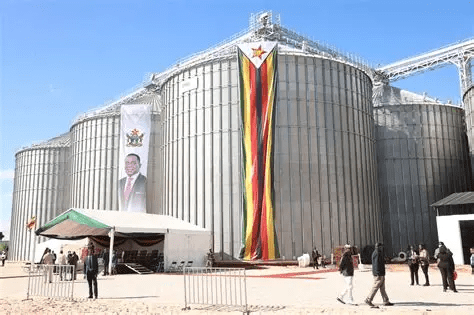
The Second Republic has also driven substantial infrastructural advancements. The Bulawayo-Mutare highway has been completed and is undergoing continuous upgrades, and the Harare-Masvingo-Beitbridge Highway is nearing completion. Construction of the Bulawayo-Victoria Falls road is actively underway, with several sections already accessible to the public. Additional initiatives include the development of AI-powered grain silos, dam projects, and the decentralisation of services such as passport processing, among a plethora of initiatives.
The issuance of land title deeds to farmers and youth initiatives remains a priority, aimed at empowering farmers through the Land Tenure Program led by businessman, philanthropist, and ZANU-PF Committee member, Kudakwashe Tagwireyi.
These decisive achievements exemplify outstanding leadership and have been recognised as crucial steps in cementing Mnangagwa’s legacy of service-oriented governance. Acting Vice President Kembo Mohadi has emphasised that these milestones are instrumental in advancing toward achieving upper-middle-income status by 2030, compelling the public to call for the extension of President Emmerson Mnangagwa’s tenure to 2030.


 Zimbabwe Rising
Leave a comment