
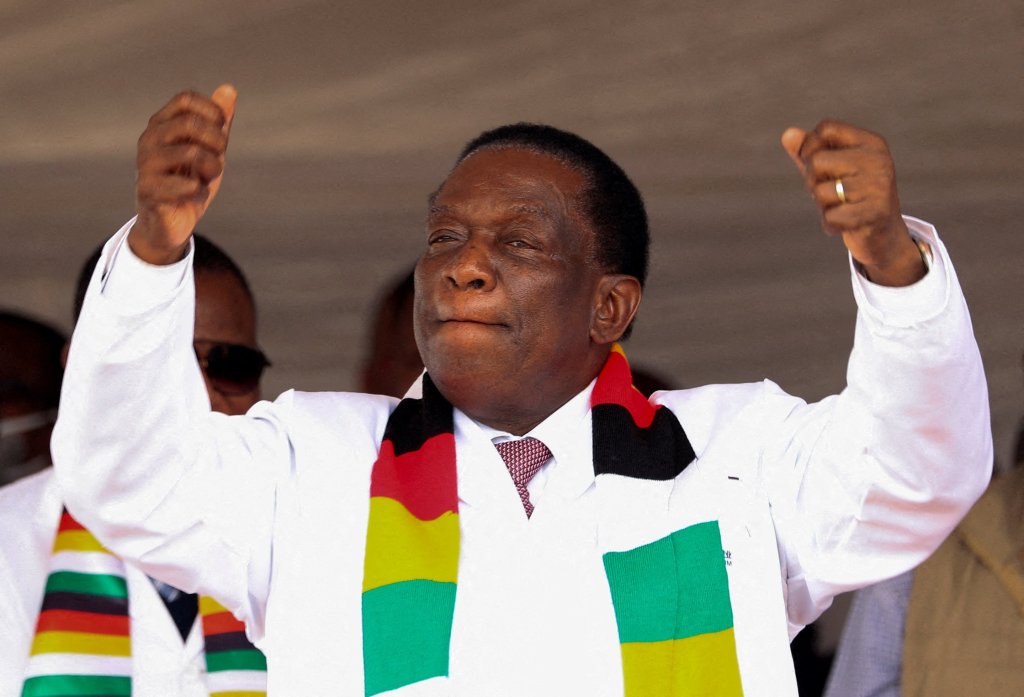
The year 2025 showcased a robust recovery for Zimbabwe, with the 2026 GDP growth projected between 6% and 6.6%. This growth was driven by a significant rebound in agriculture following the 2024 drought, exceptional performance in the mining sector—especially in gold and lithium—and sustained investments in infrastructure and services. Under the decisive leadership of President Emmerson D. Mnangagwa, these achievements—coinciding with the final year of National Development Strategy 1 (NDS1)—fortified macroeconomic stability, substantially reduced inflation, and laid a solid foundation for the upcoming NDS2 (2026-2030) as well as advance Vision 2030’s ambitious objective of achieving upper-middle-income status.
Economic Transformation: Mining-Led Growth and Infrastructure Momentum
Zimbabwe’s economy showed resilience, rebounding strongly on the back of mining exports, record tobacco production, and regulatory reforms to ease doing business:
- Mining and Agriculture as Key Drivers — Gold output surged, coal production skyrocketed, and the tobacco season achieved historic levels, yielding over 352 million kg valued at US$1.2 billion. Significant investments in mining, including lithium beneficiation and new projects, drove export earnings and created jobs.
- Infrastructure Progress — Major road projects made substantial progress, with the Beitbridge-Harare-Masvingo highway nearing completion and work on Harare-Chirundu resuming. Upgrades to border posts and improvements in rural connectivity enhanced trade logistics. Energy investments are thriving, bolstered by private-sector participation in solar initiatives and upgrades to the national grid, including landmark partnerships like that with the Dangote Group for cement, energy, and infrastructure.
- Business Environment Reforms — The Presidential Ease of Doing Business initiative effectively reduced fees and levies in priority sectors, successfully attracting investment and fostering robust growth led by the private sector.
Social Milestones: Advancing Healthcare Access and Resilience
President Mnangagwa’s “Leaving No One Behind” philosophy drove tangible health sector improvements, with expanded infrastructure and capacity building:
- Hospital Modernization: The Presidential Hospital Renovation Scheme made significant strides in 2025, with vital upgrades at Parirenyatwa Group of Hospitals, including new nurses’ residences and state-of-the-art equipment enhancements. Mbuya Nehanda Maternity Hospital is set for completion by the year’s end, and major renovations at Mpilo Central Hospital are well underway.
- Expanded Rural Access: The government successfully commissioned new facilities, such as the Mataga Mini Hospital in Mberengwa, in July 2025, substantially improving primary care in underserved regions. Our solar-powered clinics and boreholes have further ensured the reliability of services.
- Specialist Care Revival: Parirenyatwa has reestablished its reputation for advanced medical procedures, having performed over 62 open-heart surgeries since the program’s revival. The government restored high-level medical capabilities that are crucial for patient care.
- Institutional Strengthening: On 9 October 2025, the government launched the Public Health Institute of Zimbabwe (PHIZ), a pivotal move that enhances disease surveillance, emergency preparedness, and research initiatives, further elevating public health standards.
Zimbabwe’s achievements in 2025—an economic rebound, significant infrastructure advancements, and robust upgrades to the health system—established a strong foundation as the nation transitions to NDS2. Under President Mnangagwa’s decisive leadership, measurable progress has been made, firmly positioning Zimbabwe for sustained growth, resilience, and prosperity on the journey toward Vision 2030.


 Zimbabwe Rising
Leave a comment