
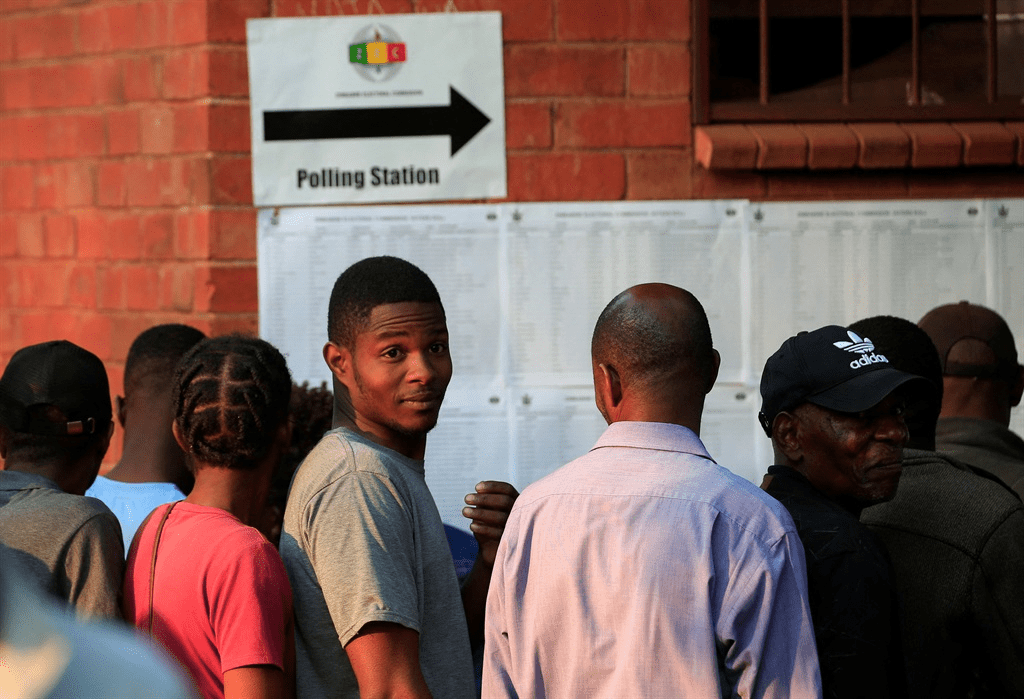
Elections are undeniably a cornerstone of democracy, providing a powerful platform for the voice of the people. However, in struggling economies, the frequency of these elections can present formidable challenges. Instead of fostering enhanced governance, repeated elections can drain vital resources, destabilize institutions, and hinder long-term development.
Most African states are in a constant state of political conflict, marked by continuous campaigns, disputed elections, and a prevalence of coups and attempted coups due to tight election schedules. In the past five years, several African countries— including Mali, Burkina Faso, Niger, Guinea, Gabon, Sudan, Madagascar, Guinea-Bissau, and Benin—have experienced coups or attempted coups. Disputed elections have significantly impacted Cameroon, Côte d’Ivoire, Tanzania, Guinea-Bissau, and Benin, illustrating the urgent need for stability and resolution in the democratic process.
Zimbabwe must decisively utilize every available means to tackle its challenges, and constitutional amendments stand out as a viable solution. Following Zambia’s recent approval of an amendment bill aimed at expanding political space and enhancing democratic representation, Zimbabwe too must pursue constitutional amendments to effectively navigate its own obstacles. This strategy is essential as the nation strives toward achieving Vision 2030.
The process of organizing elections requires significant funding for logistics, security, voter education, and ballot materials. In these economies, such resources would be far better invested in transformative areas like healthcare, education, and infrastructure. The funds directed towards frequent elections could be redirected to essential development projects, offering hope in the fight against poverty and inequality. It is time for a change that prioritizes progress and stability.
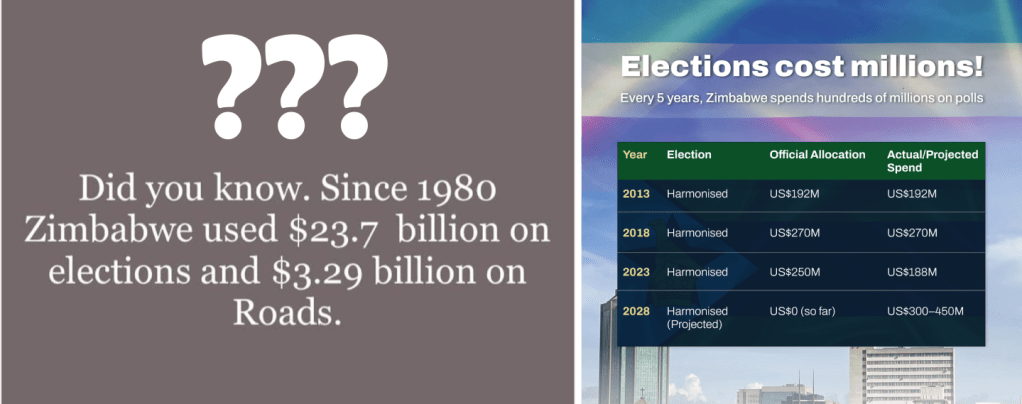
When Countries frequently hold elections, leaders prioritise winning the next election rather than implementing long-term policies, leading to populist measures instead of sustainable reforms. Additionally, Frequent changes in leadership or party control disrupt continuity, making it difficult to pursue consistent economic or social strategies.
Constant campaigning deepens divisions, fostering hostility between political groups and weakening national unity. In fragile states, repeated elections can trigger violence, protests, or contested results, undermining peace and stability.
Electoral commissions, courts, and security forces are stretched thin, reducing their effectiveness in other areas. Furthermore, civil servants and politicians spend more time on campaigns than on governance, slowing down public service delivery, creating unpredictability, discouraging foreign investment and trade partnerships.
Citizens may lose interest in participating, lowering turnout and weakening democratic legitimacy. Frequent elections increase opportunities for corruption, vote-buying, and exploitation of vulnerable populations.
Advantages of Constitutional Amendment
Constitutional amendments are essential for a robust democracy, as they ensure adaptability, protect rights, and uphold legitimacy through widespread consensus. These amendments are crucial for allowing the legal framework to evolve in line with societal values, technological advancements, and cultural changes. In a healthy democracy, constitutional amendments strike a vital balance between continuity and change, safeguarding individual rights while ensuring that governance remains legitimate and responsive. Without these amendments, constitutions risk becoming inflexible relics that are out of touch with the needs and aspirations of the people they are meant to serve.
As Zimbabwe moves towards Vision 2030, it is imperative for enlightened citizens to fully support any initiatives that postpone elections in order to avoid unnecessary expenses. The recently presented 2026 National Budget clearly outlines that Zimbabwe is on a promising economic trajectory, with a 6.6% expansion forecast by the World Bank and the Zimbabwe Economic Update. As such, Zimbabwe must prioritise the continuity of visionary leadership that delivers tangible results.
While elections are vital for democracy, holding them too often in poor economies can be counterproductive. The cycle of constant campaigning drains resources, destabilizes governance, and undermines development. For struggling nations, balancing democratic participation with economic stability is essential to ensure that elections serve as a tool for progress rather than a barrier to it.


 Zimbabwe Rising
Leave a comment