
The 16 Days of Activism Against Gender-Based Violence campaign ended on 10 December 2025. Once again, Zimbabwe joined the world in saying the right things. There were speeches, marches, orange ribbons, posters, and strong statements about protecting women and girls. This year, the national launch in Harare focused on digital gender-based violence. Leaders promised action. Activists spoke with passion. Cameras rolled. Then the noise died down.
As always.
And once again, one woman’s story remained untouched by the slogans and speeches. That woman is Mary Mubaiwa.
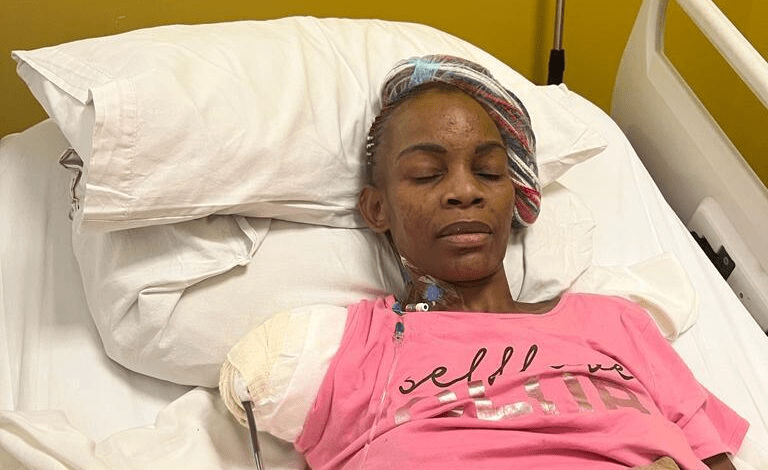
For more than seven years now, Mary Mubaiwa, the former wife of Vice President Constantino Chiwenga, has been separated from her three children with him: a daughter and two sons. Court rulings since 2020 have granted custody to their father, and reports indicate she has had little to no meaningful contact with them. In early 2025, she used the media to send New Year’s greetings to her children, highlighting serious consequences of the separation. By mid-2025, sources noted she had reached seven years with no access to her kids. The children are growing up fast, and Mary watches from a distance, missing the everyday moments of motherhood.
Recently, public attention has shifted to the Vice President’s current wife, Colonel Miniyothabo Baloyi Chiwenga, whom he married in 2022. Family photos and events often feature her alongside the children, showing life moving forward in their household. This is not just a private family matter. It raises questions about gender-based violence, even if it makes many uncomfortable.
Gender-based violence goes beyond physical injuries. It includes emotional abuse, unjust control, humiliation, and denying someone their dignity through power imbalances. Prolonged separation of a mother from her children—without proven danger—can cause deep pain to her and potential long-term effects on the children. Mary’s story is further complicated by severe health issues. She has battled acute lymphoedema for years, leading to the amputation of her right arm in 2022 and her left leg in mid-2025 due to gangrene and health complications. She has often appeared in court in a wheelchair or ambulance.
In early 2025, she requested a permanent stay of prosecution, citing her declining health and claiming she cannot adequately follow the proceedings or instruct her lawyers. Her legal troubles continue, with ongoing charges including attempted murder (from allegations in 2019), money laundering, and fraud. In 2025, South African courts forfeited her luxury assets linked to these cases. Travel restrictions tied to her bail conditions have repeatedly limited access to specialised treatment abroad, despite precedents allowing it in other high-profile matters.
If crimes are proven, accountability must follow—fairly and based on evidence. No one is above the law. But justice should not be used to isolate or punish through emotional or health-related hardship, especially amid clear power differences.
Many quietly wonder: Would this unfold the same way without the influence involved? International standards emphasise children’s rights to association with both parents unless potential harm is proven.
Yet here, the scales seem tipped.
This is where our national silence hurts most. We speak out strongly against gender-based violence in everyday cases, in poor communities, and online abuse. We march and post. But when it touches power, we turn away. No major campaign has addressed prolonged mother-child separations in high places or legal processes, causing emotional harm. This selective approach undermines our efforts. It makes the 16 Days feel like a ritual, not real change. This is not about mob justice. It is about fairness, consistency, and humanity.
Mary Mubaiwa deserves proper medical care without undue barriers. She deserves objective justice. Her children deserve balanced relationships free from adult conflicts. As 2025 draws to an end, her case challenges us: Are we fully committed to our principles regarding the protection of women and children? Confronting gender-based violence requires the bravery to engage in difficult conversations. It is essential that we address impactful stories, such as that of Mary Mubaiwa, if we are to transform our campaigns from mere rhetoric into meaningful action. Without this commitment, our promises risk remaining unfulfilled.


 Zimbabwe Rising
Leave a comment