
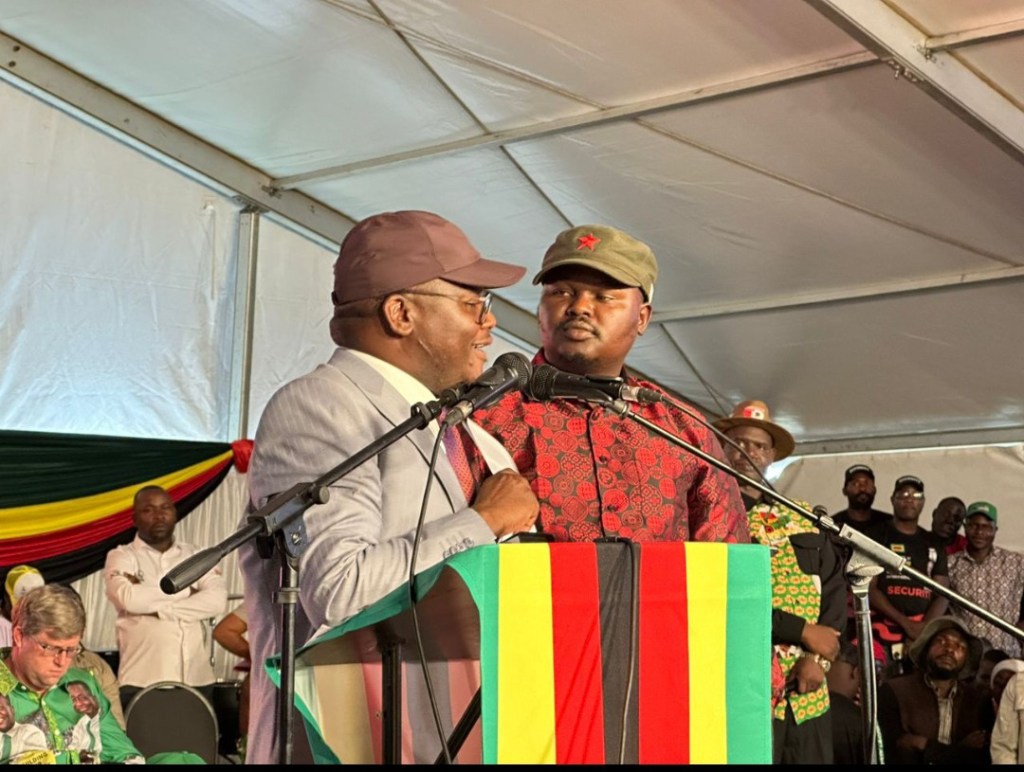
The Rules, the Money & the Verdict from above
The recent, very public nullification of Paul Tungwarara’s co-option into ZANU-PF’s Central Committee is more than a procedural hiccup, it shows a bigger fight in Manicaland: it’s about long-standing party rules versus the disruptive influence of new money.
On one side stands Hon. Tafadzwa Mugwadi, the Buhera West legislator. His weapon of choice was not cash, but the ZANU-PF Constitution itself. By publicly posting the party charter and telling Manicaland to “be literate,” Mugwadi positioned himself as the guardian of party rules and the “bonfire leader”—one who has risen through the recognized ranks from constituency MP to a firebrand defender of protocol. His challenge was vindicated when the national party leadership, including heavyweights like Patrick Chinamasa, voided Tungwarara’s appointment for violating clear guidelines.
On the opposing side is Paul Tungwarara, a presidential advisor whose rapid ascent is fueled by a different currency. The national party’s nullification letter pointedly warned against “issuance of money, goods or services,” an act it equated to vote-buying. Multiple reports from the Provincial Coordinating Committee meeting allege Tungwarara distributed cash and food to delegates. This episode confirms a broader anxiety within ZANU-PF: that internal competition is being distorted by financial clout. His attempt to fill a seat designated for Chipinge, while not being from the district, underscores a perceived disregard for the structures that long-time members have navigated.
The Manicaland Conflict
This clash reveals the two competing forces within the party:
- The Claim of Legitimacy (Hon. Mugwadi): Rooted in elected office, procedural knowledge, and a public defense of party rules.
- The Power of Proximity (Tungwarara): Built on high-profile presidential initiatives, philanthropic activity, and a strategy of financial persuasion that unsettles the established order.
What This Means for ZANU-PF and Manicaland
This is not merely a local squabble. By taking the matter to the Politburo for final determination, the party acknowledges this is a precedent-setting case. The outcome will signal whether ZANU-PF’s internal gates are guarded by its constitution or can be opened by a well-funded bag.
For the people of Manicaland, this internal warfare risks overshadowing the province’s development trajectory. The question becomes: who truly leads—the one who masters the party’s rulebook, or the one who can allegedly rewrite the rules with financial sympathy?
The battle for Buhera is a small part of a larger national tension. As ZANU PF champions an “undeniable economic revolution”, this incident forces a difficult question: In this new economy, what holds more value—loyalty forged in the party structures, or influence purchased by new capital? Manicaland, and indeed the nation, awaits the Politburo’s answer.
@NickyLove250285
#PartyConstitution
#PartyStructures
#NoToVoteBuying


 Zimbabwe Rising
Leave a comment