
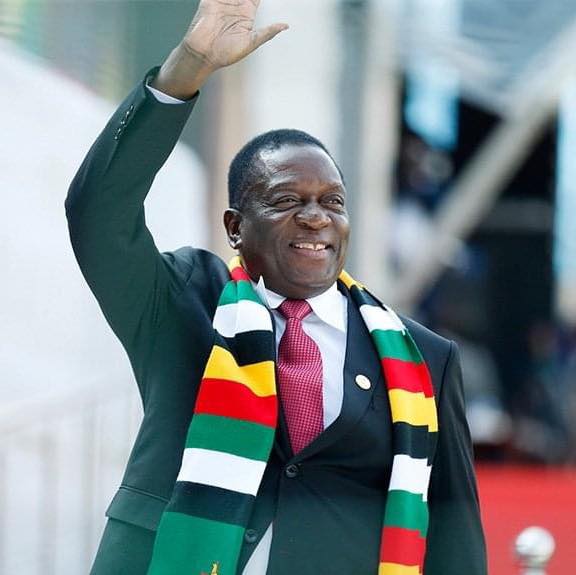
As Zimbabwe commemorates International Anti-Corruption Day, President Emmerson Mnangagwa has reiterated his administration’s commitment to a zero-tolerance policy on corruption. In his address, he emphasised the importance of raising awareness about the detrimental effects of corruption and the pressing need to foster transparent, equitable, and accountable societies. This initiative highlights the collective effort required to combat corruption and build a brighter future for all citizens.
This year’s celebration theme is “Uniting with Youth Against Corruption: Shaping Tomorrow’s Integrity,” highlighting the essential role of young voices in shaping accountability discussions and actively participating in decision-making.
Zero tolerance for corruption in government institutions
President Mnangagwa reaffirmed Zimbabwe’s commitment to promoting good governance, transparency, and strengthening the institutions dedicated to combating corruption, which he identified as vital components of national development. He emphasized that under his leadership, corruption will not hinder the progress towards achieving the national development agenda, Vision 2030, and improving the quality of life for all Zimbabweans.
The President commended the Zimbabwe Anti-Corruption Commission (ZACC) and the National Prosecuting Authority (NPAZ) for their efforts but emphasized the need to enhance investigative capacity to alleviate public concerns regarding alleged “catch-and-release” practices.
Legal initiatives
In an effort to enhance the efficiency of corruption prosecutions, the government has recently implemented Fast-Track Courts. Looking ahead, the Second National Anti-Corruption Strategy (2026–2030) is poised to strengthen collaboration among various institutions and communities, further advancing the fight against corruption.
The recently approved Whistle-blowers and Witness Protection Bill aims to enhance the integrity of public institutions by establishing a dedicated witness protection unit and tribunal under the NPA. Meanwhile, more than 250 public institutions now operate Integrity Committees focused on the prevention, detection and reporting of corruption.
President Mnangagwa emphasised Zimbabwe’s continued alignment with global and regional anti-corruption frameworks, including the United Nations Convention Against Corruption (UNCAC) and the African Union Agenda 2063.
How corruption is affecting the youth
The President emphasized the connection between corruption and the growing crisis of drug and substance abuse in the country. He highlighted that weak border controls and compromised officials are significant factors contributing to illegal drug trafficking.
Unpacking this year’s theme, President Mnangagwa said, “The theme is, therefore, a call for all of us to deliberately target the root causes of the drug crisis,” he said. “Our alliance with the youth is key as they are not only vulnerable, but also part of our greatest asset in countering new forms of corruption.”
Mnangagwa urged the youth to be proactive and play a role in the fight against corruption.
“I call upon the youth to be guardians of integrity, as well as raise awareness about corruption and its impact on their communities and their future. My government will weed out and eradicate corruption without fear or favour”, he said.
Anti-corruption drive reaping fruit
The President emphasised that no one is above the law as Zimbabwe strengthens its commitment to building a corruption-free society.
According to official statistics, nearly 2,500 corruption cases have been examined since the inception of the National Anti-Corruption Strategy in 2020. Of these cases, over 800 dockets have been forwarded for prosecution, resulting in an encouraging conviction rate of 60 percent. Furthermore, more than US$20 million in assets deemed to have been acquired through illicit means has been successfully recovered.
His speech comes a day after the recent sentencing of businessmen Moses Mpofu and Mike Chimombe to 22 and 17 years, respectively, for defrauding the government of over US$7 million through the Presidential Goat Pass-On Scheme, marking an important milestone in the ongoing fight against corruption. This case is seen as a significant measure of the nation’s commitment to tackling corruption effectively.
Addressing corruption is vital for enhancing various facets of modern life, including public services, government integrity, education, healthcare, and overall economic development.
International Anti-Corruption Day serves as a reminder of the critical importance of united efforts to combat corruption, stemming from the approval of the United Nations Convention Against Corruption (UNCAC) in 2003. This day encourages individuals and organizations around the world to take action and promote transparency and accountability.


 Zimbabwe Rising
Leave a comment