
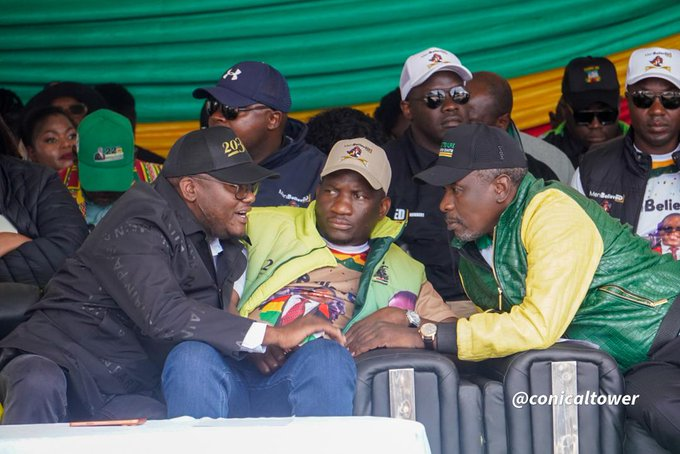
The recent by-election for the Manicaland Central Committee has, as expected, unleashed a torrent of sensational gossip, rife with unverified claims and half-truths. This tumultuous environment is further compounded by a range of narratives that blur the line between reality and fiction, all masquerading as “insider political analysis.” The atmosphere is thick with intrigue, as whispers of scandal echo through the corridors of power, making it difficult to discern fact from fabrication in this tumultuous political landscape.
There were three main candidates: Justin Matsatsira, who allegedly received support from businessman Kudakwashe Tagwirei, Primary and Secondary Education Deputy Minister Evelyn Gata, and Paul Tungwarara, who ultimately emerged victorious. Each candidate campaigned with passion and dedication, embodying the spirit of democracy within ZANU-PF.
There are speculations surrounding Kudakwashe Tagwirei’s investment in support of Justin Matsatsira’s ambitions for the central committee, with rumors suggesting the use of high-end vehicles for financial transport to Manicaland. However, it is important to note that no verifiable evidence has been made available to the public indicating that anyone has spent “$500,000 to buy votes” or that “luxurious cars” were used to discreetly transport funds. These are the kinds of colourful conspiracy theories that surface after every closely contested party election in Zimbabwe, usually pushed by losing camps to explain away defeat.
The truth is that the Manicaland party structures embraced their democratic right and selected the candidate they believed in. Tungwarara, a respected local figure deeply rooted in the province, showcased a remarkable ground game and garnered strong support from voting PCC members. This is the essence of internal elections. The attempt to diminish Tagwirei as a “self-proclaimed billionaire who slept with his shoes on” is mere childish mud-slinging. Successful businesspeople and political financiers have historically backed candidates who faced defeat—it’s a common occurrence in every party and every country. This does not lessen their influence for the future. In fact, the intensity of the attacks on him indicates that he remains a key player, prompting others to attempt to undermine him through gossip.
The suggestion that his “Harare runners” appropriated funds intended for Manicaland is reminiscent of the typical reactions that follow elections. Historically, it has been common for losing factions within ZANU-PF to attribute their defeat to “saboteurs” or “internal challenges” instead of acknowledging the choices made by the electorate. Manicaland has long demonstrated a commitment to its independent decision-making regarding party affiliations.
ZANU-PF is a diverse and dynamic party with various centers of influence. Members have their own preferences, campaign actively, and experience victories and losses alike. This is indicative of a healthy internal democracy rather than a dramatic narrative. It would be beneficial for commentators to recognize routine party processes as just that—routine—allowing speculation and conspiracy theories to subside.
Manicaland has expressed its voice, and it is anticipated that others will honor the outcomes and move forward. This respect for the process has been a cornerstone of the party’s enduring presence in power for 45 years.


 Zimbabwe Rising
Leave a comment